
Understanding Forex Trading Charts: A Comprehensive Guide
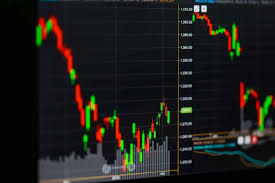
Forex trading charts are essential tools for traders looking to analyze currency pairs and make informed trading decisions. These charts provide a visual representation of price movements, allowing traders to identify trends, support and resistance levels, and various market patterns. forex trading charts https://forex-exregister.com/ will guide you through every aspect of leveraging charts in the forex trading world. Let’s delve deeper into the types of charts available and how to interpret them effectively.
Types of Forex Trading Charts
There are several types of charts that traders commonly use in forex trading, each providing unique insights into price movements. The three most popular types are:
1. Line Charts
Line charts are the simplest form of charts used in forex trading. They represent the closing prices of a currency pair over a specified period. A line is drawn connecting these closing prices, providing a clear visual representation of the price movement. Line charts are beneficial for identifying overall trends and are often the first choice for beginner traders.
2. Bar Charts
Bar charts provide more detailed information than line charts. Each bar represents a specific time period (e.g., one hour, one day), showing the open, high, low, and close prices (OHLC) within that period. The length of the bar reflects the price range during that timeframe, while the horizontal lines extend from the bar to depict the opening and closing prices. Bar charts are useful for traders looking to understand market volatility and make more informed decisions.
3. Candlestick Charts
Candlestick charts have gained immense popularity among forex traders due to their visual appeal and the comprehensive information they convey. Each candlestick displays the open, high, low, and close prices for a specific timeframe. The body of the candle shows the difference between the opening and closing prices, while the wicks (or shadows) illustrate the price range during that period. Candlestick patterns can be used to identify potential reversals or continuations in market trends.
Understanding Timeframes
When trading forex, the timeframe of your charts can have a significant impact on your trading strategy. Here are some common timeframes:
- Scalping: Traders who engage in scalping use very short timeframes, typically 1-minute or 5-minute charts, aiming to capture small price movements.
- Day Trading: Day traders usually rely on 5-minute to 30-minute charts, seeking to open and close positions within the same day.
- Swing Trading: Swing traders often look at 1-hour, 4-hour, or daily charts to identify trends and hold positions for several days or weeks.
- Position Trading: Position traders use daily, weekly, or monthly charts, focusing on long-term trends and holding trades for extended periods.

Technical Indicators
Traders can enhance their analysis by incorporating technical indicators with their charts. These indicators, calculated from price and volume data, can provide insights into market momentum, trends, and potential reversals. Some common technical indicators include:
- Moving Averages: These indicators help smooth out price data and identify trends over a specific period. The most commonly used moving averages are the Simple Moving Average (SMA) and the Exponential Moving Average (EMA).
- Relative Strength Index (RSI): The RSI measures the speed and change of price movements, indicating overbought or oversold conditions. Generally, an RSI above 70 suggests overbought conditions, while an RSI below 30 indicates oversold conditions.
- Bollinger Bands: These bands consist of a moving average and two standard deviations away from it, creating a “band” around the price. They indicate market volatility and potential price reversals.
Reading Forex Trading Charts
Interpreting forex trading charts requires both skill and practice. Below are some key concepts for reading charts effectively:
Identify Trends
The first step in reading any chart is identifying the prevailing trend—whether it’s upward (bullish), downward (bearish), or sideways (range-bound). Look for higher highs and higher lows in an uptrend, or lower highs and lower lows in a downtrend.
Support and Resistance Levels
Support and resistance levels are crucial for effective trading. Support levels indicate where prices tend to find buying interest, while resistance levels highlight where selling pressure appears. Identifying these levels can help traders determine entry and exit points for their trades.
Chart Patterns
Chart patterns can provide essential insights into potential future price movements. Some common patterns include:
- Head and Shoulders: Indicates a potential reversal from bullish to bearish.
- Double Top/Bottom: Suggests potential reversal patterns at key levels.
- Flags and Pennants: Indicate continuation patterns during a trend.
Combining Chart Analysis with Fundamental Analysis
While technical chart analysis is vital for making trading decisions, it’s essential to consider fundamental analysis as well. Economic news, geopolitical events, and market sentiment can all influence currency movements. Understanding the broader economic context can help traders make more informed decisions when interpreting chart data.
Conclusion
Forex trading charts are indispensable tools for traders aiming to understand and navigate the complex forex market. By familiarizing yourself with different chart types, mastering the art of reading charts, and combining technical analysis with fundamental insights, you can enhance your trading strategies and improve your chances of success in forex trading. Remember, consistent practice and continuous learning are keys to mastering the use of charts in your trading journey.
For more resources and tools on forex trading, visit https://forex-exregister.com/.