
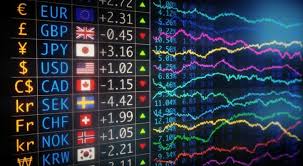
In the world of finance, few markets are as dynamic and accessible as the Forex market. With a daily trading volume that surpasses $6 trillion, Forex trading presents an opportunity for traders to capitalize on currency fluctuations. In this article, we will delve into the ins and outs of Forex trading, using a practical example to elucidate the concepts involved. Whether you’re a novice or an experienced trader, understanding these fundamentals will help sharpen your trading strategy. To get started, you might want to consider reputable platforms, such as forex trading example Trading Broker UZ.
What is Forex Trading?
Forex trading, or foreign exchange trading, is the process of exchanging one currency for another in the hopes of making a profit. Due to its decentralized nature, Forex operates 24 hours a day, five days a week, with trades happening across various global financial centers. Currency pairs, such as EUR/USD or GBP/JPY, are the cornerstone of Forex trading, where one currency is bought while another is sold.
The Mechanics of Forex Trading
To better understand how Forex trading works, let’s consider an example. Imagine you’re interested in trading the EUR/USD pair. The current quote is 1.1200, meaning that 1 Euro is equal to 1.12 US Dollars. If you believe the value of the Euro will increase relative to the US Dollar, you might decide to buy Euros.
Step 1: Analyzing the Market
Before making a trade, it’s crucial to analyze market conditions. This can be done through fundamental analysis (examining economic indicators, news releases, etc.) or technical analysis (studying price charts and patterns). For our example, let’s say you notice a strong upward trend for the Euro due to a positive economic report from the Eurozone.
Step 2: Executing the Trade
With your analysis in mind, you place a buy order for 1,000 Euros at the current price of 1.1200. Your total investment (or exposure) is $1,120. As the market fluctuates, if the Euro rises to 1.1250, you could sell your position to realize a profit.

Step 3: Calculating Profit
To calculate your profit, subtract the original price from the selling price and multiply by the number of units traded:
Profit = (1.1250 – 1.1200) x 1,000 = $50.
This example highlights a straightforward Forex transaction, but there are numerous factors traders must consider, such as leverage, spreads, and market volatility, which can significantly impact trading outcomes.
Understanding Leverage
One of the most significant advantages of Forex trading is the ability to use leverage. Leverage allows traders to control a larger position with a smaller amount of capital. For example, if a broker offers a leverage ratio of 100:1, it means you can control a position worth $100,000 with just $1,000 in your trading account.
While leverage can amplify profits, it also increases risk. A small price movement can lead to substantial gains or significant losses, depending on the direction of the trade. Therefore, it is essential for traders to use leverage judiciously, ensuring they understand their risk tolerance and have a solid risk management strategy in place.
Risk Management in Forex Trading
Successful Forex trading highly depends on effective risk management practices. Here are a few strategies to consider:

- Set Stop-Loss Orders: A stop-loss order helps manage potential losses by closing a position at a predetermined price.
- Risk Only What You Can Afford to Lose: Never risk more than you can afford to lose on a single trade. A common rule of thumb is to risk no more than 1-2% of your trading capital on any given trade.
- Diversify Your Trades: Avoid putting all your funds into one trade or currency pair. Diversification can help spread risk.
Technical and Fundamental Analysis
To excel in Forex trading, traders often combine both technical and fundamental analysis. Technical analysis involves studying historical price patterns and using tools like moving averages, RSI, and MACD to gauge future price movements. On the other hand, fundamental analysis looks at economic indicators, geopolitical events, and market news that can affect currency values.
Traders often use both methods to confirm their analysis and make informed trading decisions. For example, if technical analysis suggests a bullish trend while favorable economic data is released, it might reinforce the decision to buy.
Common Mistakes to Avoid
Even experienced traders can fall victim to common mistakes. Here are a few errors to avoid:
- Overleveraging: Using excessive leverage can lead to significant losses.
- Emotional Trading: Letting emotions drive trading decisions can cloud judgment.
- Neglecting to Analyze: Skipping analysis can lead to uninformed trading, increasing risk.
Conclusion
Forex trading can be an exciting and potentially lucrative endeavor for those willing to put in the time to learn and practice. By grounding yourself in the fundamentals, analyzing the market effectively, managing risks, and avoiding common pitfalls, you can enhance your trading experience. Remember, the journey in Forex trading is continuous, and the more you learn and adapt, the better your chances of success. Start practicing today, and consider using trusted platforms like Trading Broker UZ to facilitate your trading endeavors.