
The journey to recovery is different for everyone, but with the right help and commitment, individuals can reclaim their health and well-being. The long-term impact of alcohol abuse on the mind and body can also cause behavioral issues and hinder relationships with loved ones. Chronic alcohol addiction often leads to deteriorating personal and professional relationships. Individuals may experience job loss, financial instability, and social isolation. Alcoholism can also contribute to domestic violence, criminal behavior, and neglect of responsibilities, further deepening the impact on one’s quality of life. Over-time, excessive consumption of alcohol can wreak havoc on the body and mind.
Alcohol use disorder
- One of the most widely known long term effects of alcohol abuse is the damage that occurs to the liver.
- Alcohol interacts with drugs in ways that can increase health risks, impair judgment, and lead to overdose.
- These can affect several bodily systems and increase the risks of health conditions such as cancer, heart disease, and stroke.
- Whether you’re a first-time drinker or have been drinking daily for years, alcohol affects the body.
At Dr. Jolandi Meyer’s practice and The Way Recovery Centre, we are dedicated to helping individuals overcome addiction and reclaim their lives. If you or a loved one is struggling with alcohol abuse, don’t wait – reach out today and take the first step towards a healthier, happier future. Alcohol abuse isn’t just a bad habit—it’s a serious health condition with far-reaching consequences. From the short-term effects of alcohol abuse, like poor judgment and hangovers, to the long-term effects of alcohol abuse, such as liver failure and cognitive damage, and even lives. While the physical and emotional effects of long-term alcohol abuse are severe, they are not irreversible. Seeking treatment, whether through inpatient or outpatient rehab, therapy, or support groups, can help individuals overcome addiction and begin the healing process.
Emotional Effects of Alcohol
- Because of this, heavy drinkers are particularly susceptible to sudden periods of low blood sugar, or hypoglycemia.
- At Dilworth Center, we often see individuals who are experiencing the health impacts of alcohol abuse, and while some damage may be irreversible, recovery can halt further deterioration.
- The more you consume alcohol in one sitting, the more you increase your blood alcohol concentration (BAC) level.
These issues not only affect the individual but often ripple outwards to impact families, workplaces, and communities. Dial 999 for an ambulance if you suspect alcohol poisoning and you’re worried. To prevent choking, turn them on to their side and put a cushion under their head. It usually takes the liver about an hour to remove one unit of alcohol from the body.
Drunk Driving
Alcohol use disorder (AUD) is a chronic brain disorder that makes it difficult to control alcohol use, even when it’s causing problems. Alcohol abuse can also have negative effects on an individual’s significant other or spouse—even when it doesn’t result in domestic violence. Partners may experience self-deprecation, depression, hatred toward their partner, avoiding social functions, drug addiction mental exhaustion, or manifesting physical illnesses. Alcoholism can also cause financial difficulties and is one of the major causes of divorce today. Alcohol-fueled violence isn’t the only damage family members can suffer; the psychological effects can be incredibly traumatic.

Short and Long Term Effects of Alcohol Abuse

The long-term effects of alcohol abuse can be far-reaching and life-threatening. From liver damage and brain impairment to heart disease and an increased risk of cancer, chronic alcohol abuse takes a heavy toll on your health. If you or someone you know is struggling with alcohol abuse, it’s crucial to seek help before the damage becomes irreversible. Alcohol abuse affects the lives of millions of people around the world causing an array of https://yourfinancialtherapist.com/ultimate-list-of-sober-quotes-for-recovery/ long term health effects and complications. The long-term effects of alcohol on the central nervous system are widespread. Over time, long-term alcohol abuse damages the central and peripheral nervous system, which can lead to conditions such as neuropathy and brain damage.
Health Fast Facts
Don’t put off treatment because of fear; substance abuse professionals won’t judge you and they genuinely have your best interest in mind. Vitamin supplements and complete abstinence from alcohol may reverse symptoms of Wernicke-Korsakoff syndrome within the first 2 years after stopping drinking. Severe alcohol overdoses may cause permanent brain damage even if the person survives.
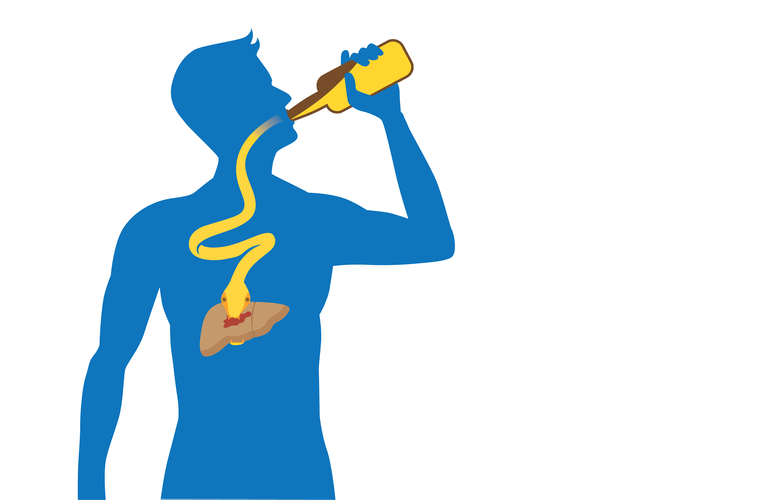
Consuming several drinks in a short time causes the alcohol builds up in the body. At Dilworth Center, our goal is to provide a supportive environment where individuals can recover from the long-term effects of alcohol use. Blackouts are gaps in a person’s memory of events that occurred while they were intoxicated.
Alcohol abuse has been linked to cancers of the mouth, ethanol abuse throat, stomach, colon, liver, breast, and the head and neck. People who use both alcohol and tobacco are found to be at much greater risk for developing cancer of the mouth, throat, and neck compared to people who use just one of these substances. Excessive drinking causes liver damage that is irreversible, and in many cases, may not even cause symptoms until many years after the last drink was consumed. However, these symptoms of alcohol abuse can be detected by your doctor if you are open with your doctor about your level of alcohol consumption.
The most severe form of liver disease is alcoholic cirrhosis, which is where fatty liver tissue is replaced by scar tissue and can no longer function. Liver damage can lead to irreversible symptoms including jaundice, swelling of legs and abdomen, internal bleeding, fever, brain fog, and nausea. Many different types of cancer can be attributed to excessive alcohol abuse.